
The list of World Heritage Sites in Greece reflects the country’s long history, rich culture, and varied landscapes.
By 2026, a total of 21 sites in Greece have been inscribed on the UNESCO World Heritage List. The latest additions are the Minoan Palace Centres on Crete, inscribed in 2025, and the wider Mount Olympus area, added in 2026.
The list includes famous destinations such as the Acropolis in Athens, Olympia, Delphi, and the historic centre of Rhodes. But it also includes lesser-known places that are every bit as fascinating.
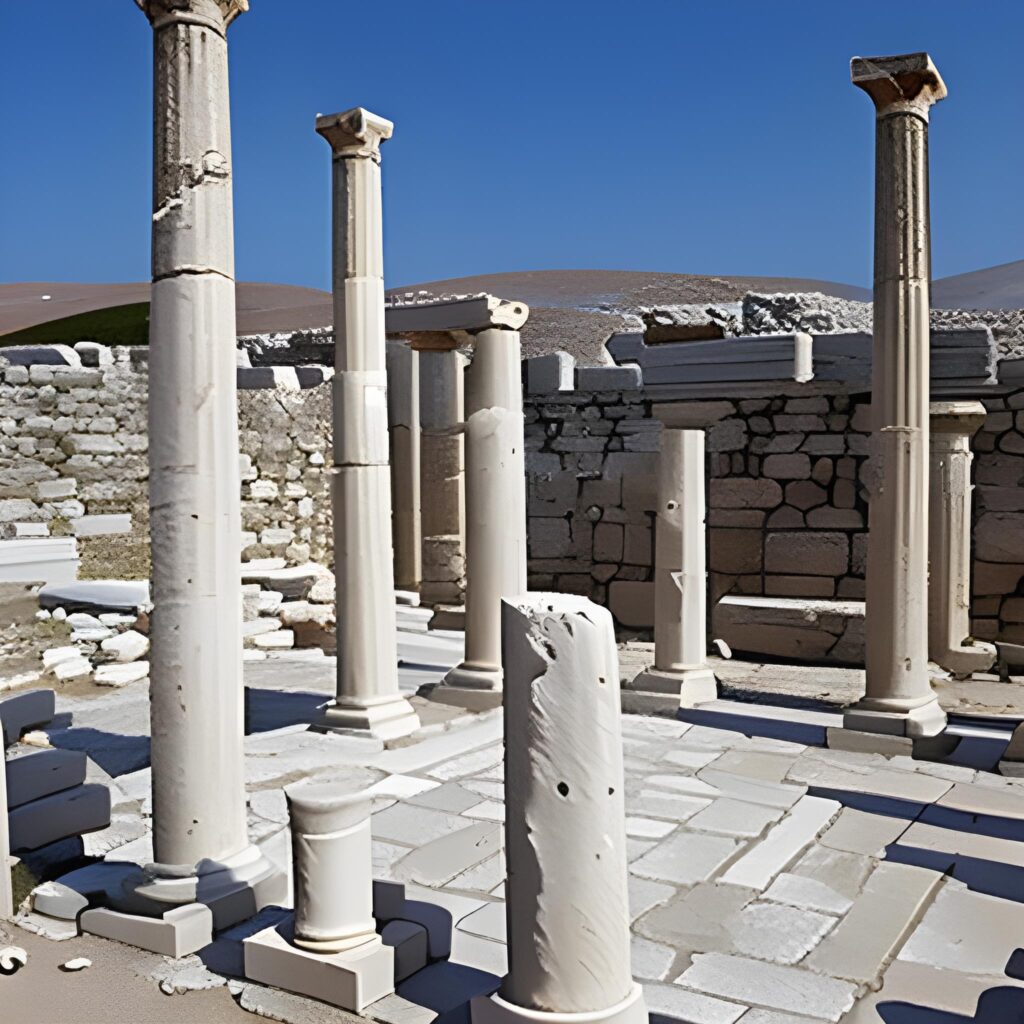
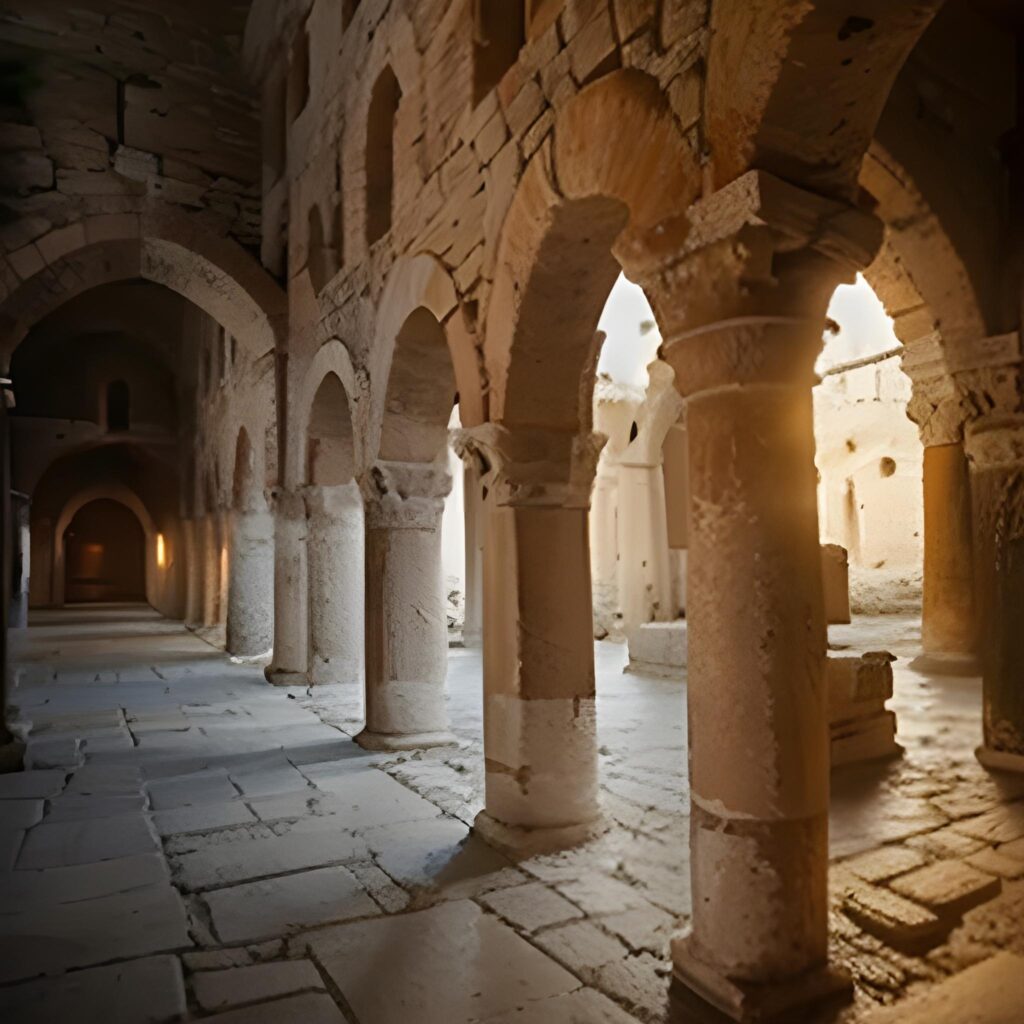
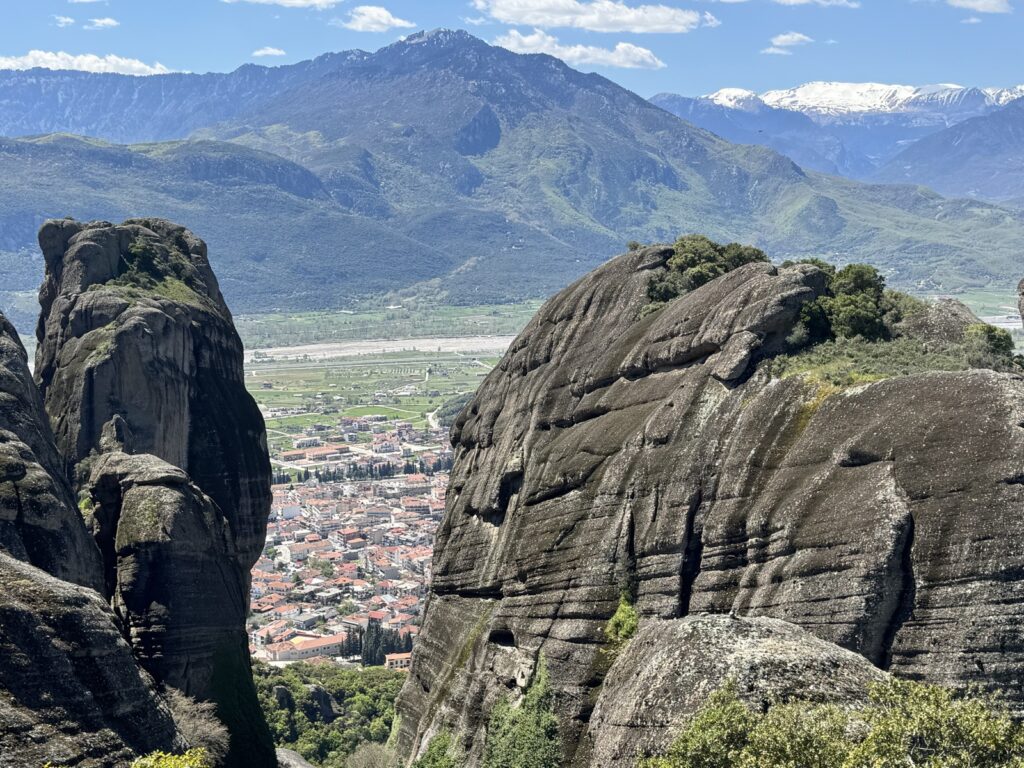
Below is a more detailed description of the sites inscribed as World Heritage in Greece. The list covers a broad historical range, from prehistoric and ancient remains to Byzantine monasteries, medieval towns, and cultural landscapes.
Of the 21 World Heritage Sites, 18 are cultural sites. The remaining three – Meteora, Mount Athos, and the wider Mount Olympus area – are mixed cultural and natural sites.
Explore Greece’s rich history and remarkable landscapes through the complete list below. Click the links in the table to visit the UNESCO page for each World Heritage Site in Greece.
World Heritage in Greece, sites 1 – 6
| Name | Image | Location | Year of inscription | Description |
|---|---|---|---|---|
| Acropolis, Athens |  | Athens | 1987 | A well-known ancient site that includes the Parthenon Temple and other ancient buildings in the heart of Athens. |
| The archeological site of Delphi | 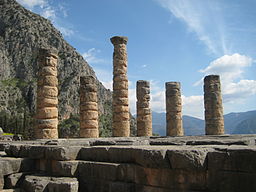 | Delphi | 1987 | An ancient sanctuary and oracle dedicated to the god Apollo. Delphi was considered the world hub in ancient beliefs. |
| Apollon Epicurius temple at Bassae | 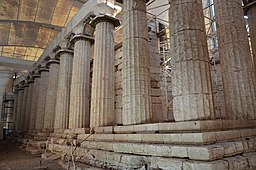 | Messenia, southwest Peloponnese | 1986 | A well-preserved Doric temple dedicated to Apollo, known for its harmonious architecture and magnificent views of the valley. |
| Medieval City of Rhodes | 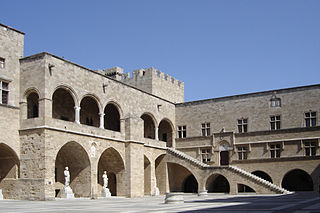 | Rhodes | 1988 | An impressive medieval city with fortifications, palaces and narrow alleys. |
| Monastery complex of Meteora |  | Thessally, central Greece | 1988 | A collection of Orthodox monasteries built on the spectacular, vertical rock formations that rise several hundred meters above the ground. |
| Mount Athos | 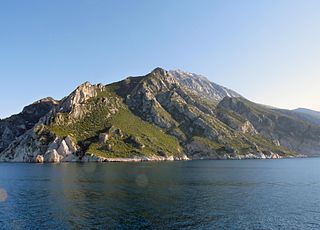 | Chalkidiki-peninsula, northern Greece | 1988 | A mountainous region considered sacred, with an orthodox, strictly male, monastic republic, enjoying a high degree of autonomy since the 11th century AD. |
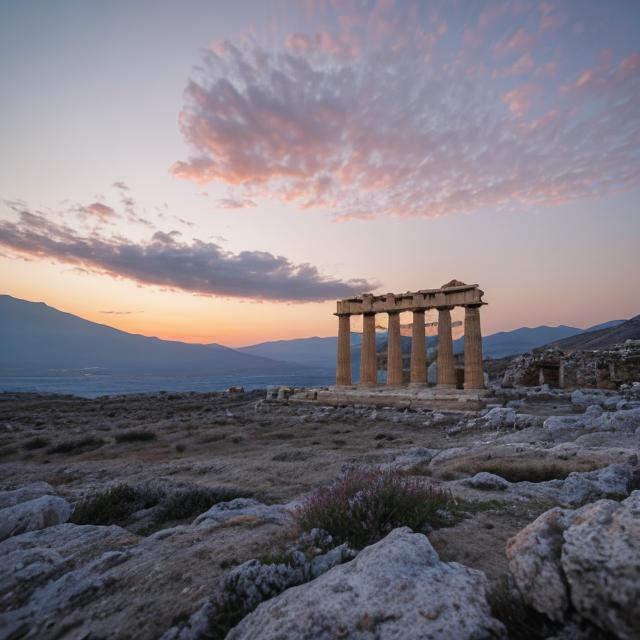
World Heritage in Greece, sites 7 – 12
| Namn | Bild | Plats | Årtal för utnämning | Beskrivning |
|---|---|---|---|---|
| Paleo-Christian and Byzantine monuments in Thessaloniki | 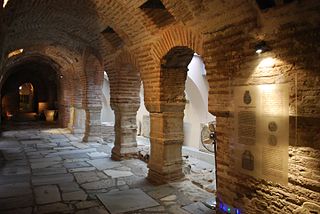 | Thessaloniki | 1988 | A collection of early Christian and Byzantine monuments, including churches and basilicas, which testify to the historical importance of the region. |
| Sanctuary of Asclepius, Epidaurus |  | Epidaurus, North-eastern Peloponnese | 1988 | A well-preserved sanctuary, with the famous amphitheater and temples dedicated to Asclepius, the ancient Greek god of healing and medicine. |
| The Historic Centre (Chora) with the Monastery of Saint-John the Theologian and the Cave of the Apocalypse on Patmos |  | Patmos, northern Dodecanese islands | 1999 | An important religious site, which includes the Monastery of St. John and the Cave of the Apocalypse, where the Apostle John is believed to have written the Book of Revelation. |
| Archeological site of Olympia | 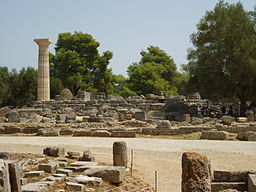 | Olympia, central Peloponnesos | 1989 | The site of the ancient Olympic Games with a monumental collection of Greek architecture and sculpture. |
| Island of Delos | 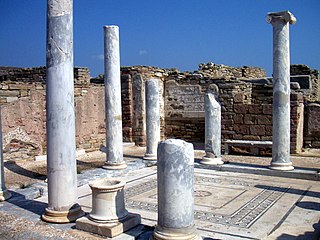 | Delos, Cyclades | 1990 | An important island, revered in prehistoric mythology, with well-preserved archaeological remains and temples. |
| Monasteries of Daphni, Hosios Loukas och Nea Moni of Chios | 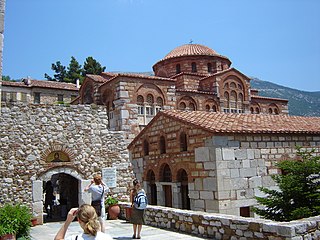 | Located in Athens, in Fokida district – near Delphi, and on the island of Chios | 1990 | Three ancient monasteries with unique architecture and mosaic work representing the artistic skill of the Byzantine era. |
World Heritage in Greece, sites: 13 – 21
| Namn | Bild | Plats | Årtal för utnämning | Beskrivning |
|---|---|---|---|---|
| Pythagoreion and Heraion on Samos | 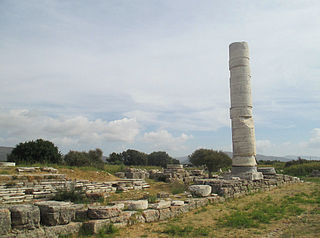 | Samos, Northern Aegean Islands | 1992 | Remains of an important ancient city of high cultural and religious importance, with an impressive sanctuary dedicated to the goddess Hera. |
| Archaeological site of Aigai (current Vergina) | 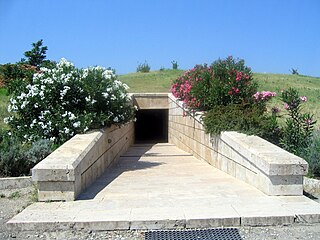 | Vergina, Greek Macedonia | 1996 | The site of the ancient royal tombs in Macedonia, where impressive burial treasures and artifacts have been found. |
| Archeeological site of Mycenae and Tiryns | 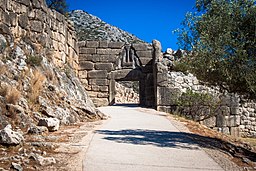 | Mycenae, Tiryns, Peloponnese | 1999 | Two important cities from the Mycenaean period, showing the grandeur and architecture of the older ancient Greek civilization. |
| Old town of Corfu | 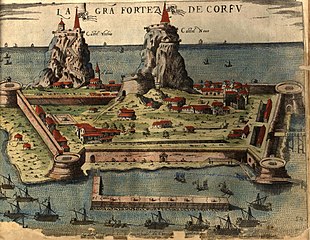 | Corfu, Ionian islands | 2007 | A well-preserved Venetian city center that bears traces of several different historical cultures and varying architectural styles. |
| Archeological site of Philippi |  | Philippi, north-eastern Greece | 2016 | An ancient city with impressive archaeological remains of great historical importance. The site of the Battle of Philippi . |
| Archeological site of Mystras | 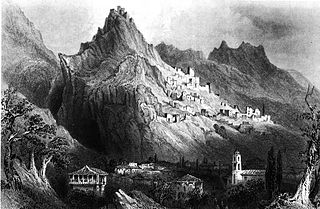 | Near Sparta, Peloponnese | 1989 | The city of Mystras developed around the fortress built in 1249 on the slopes of Mount Taygetos. The city flourished during the later Byzantine period and was conquered by both the Ottomans and the Venetians. |
| Zagori Cultural Landscape |  | Region of Epirus, North-western Greece | 2023 | A remote and timeless rural landscape in northwestern Greece, where the stone-built villages of Zagorochoria nestle among sacred forests and are linked by a remarkable network of arched stone bridges, cobbled paths, and hand-carved stairways connecting the communities of the Vikos and Voïdomatis river basin. |
| Minoan Palace Centres | 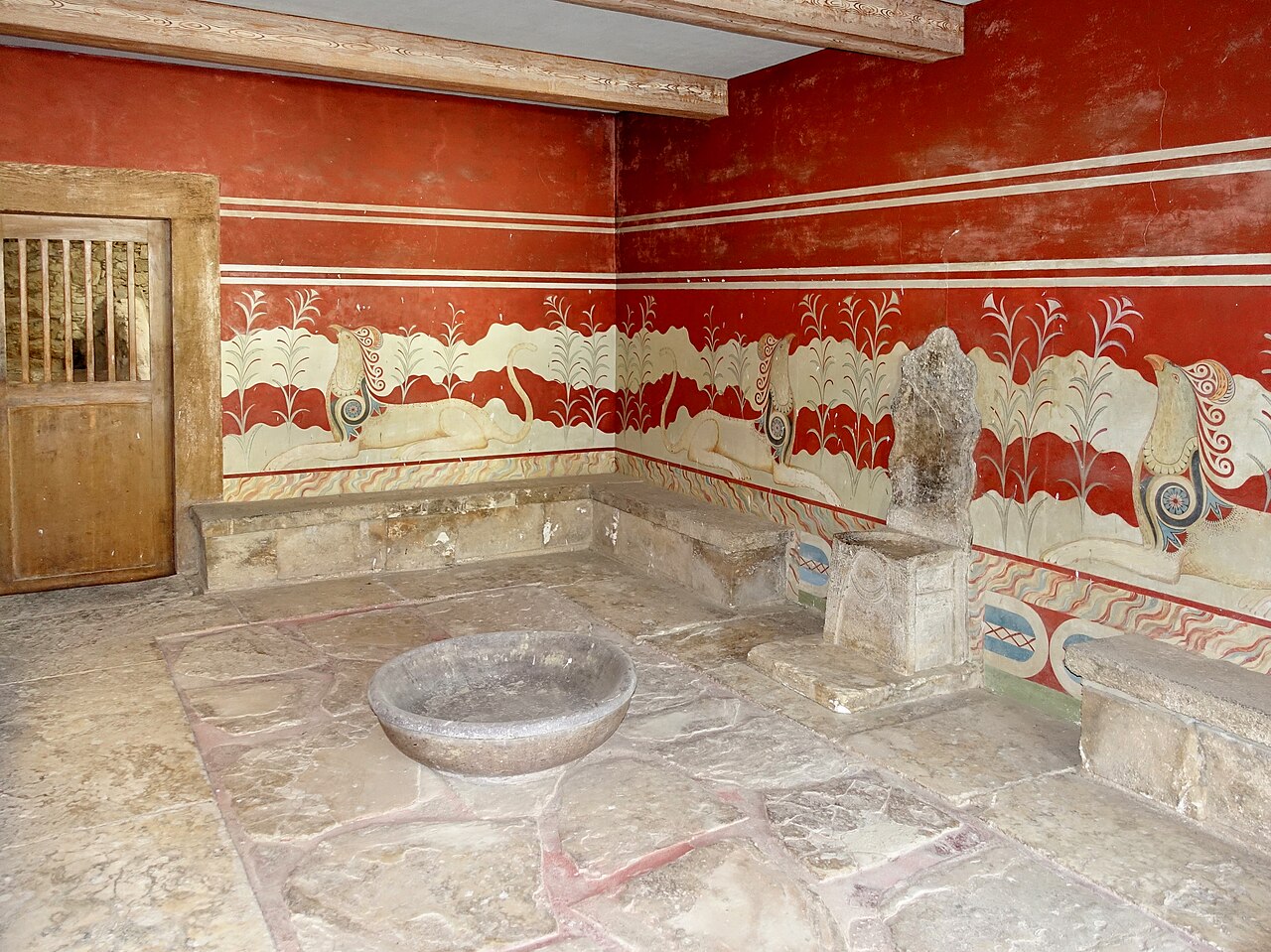 | Crete | 2025 | Six archaeological sites: Knossos, Phaistos, Malia, Zakros, Zominthos, and Kydonia. They bear witness to the advanced architecture, social organisation, trade, and cultural life of the Minoan civilisation. |
| Mount Olympus area | 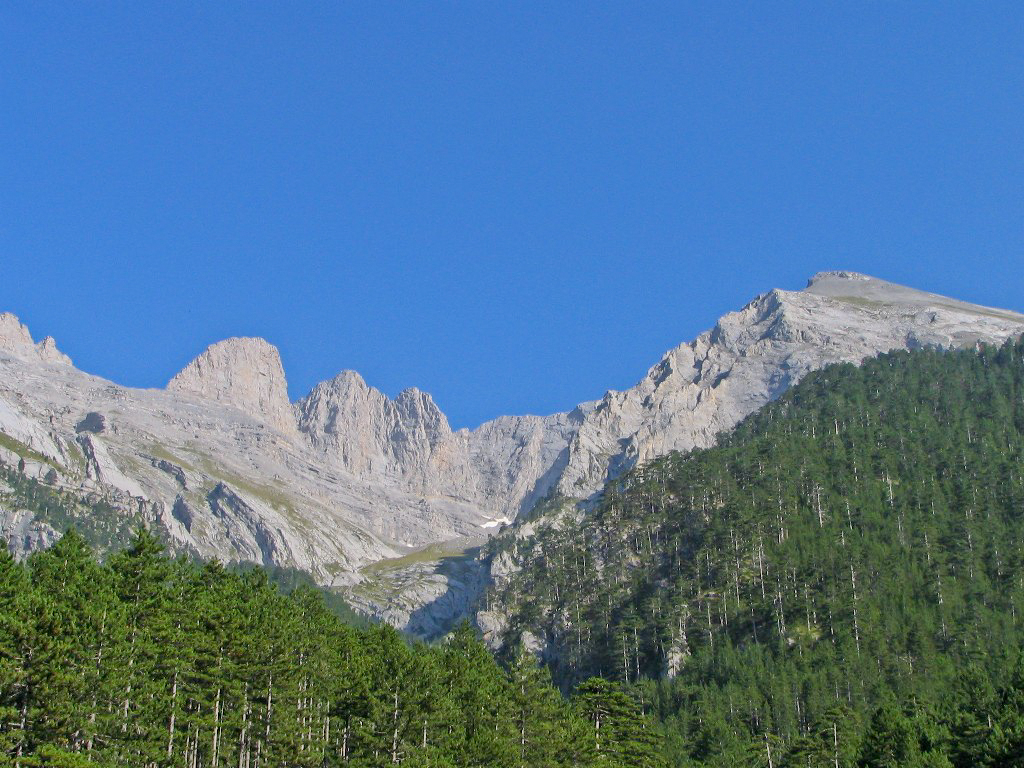 | Northern Greece | 2026 | Greece’s highest mountain, with a dramatic landscape and unique biodiversity, strongly associated with ancient mythology as the home of the twelve Olympian gods. |
World Heritage: criteria and requirements
To be included on the UNESCO World Heritage List, a site must meet specific criteria. For cultural heritage, these include: representativity, integrity, authenticity and value. For natural heritage, the criteria include: representativity, integrity, biodiversity and protection status.
- Representativity: The object must be a representative and distinctive example of some important cultural or natural process, event or other phenomenon.
- Integrity: The object should be preserved in its entirety and not seriously fragmented or altered. Its important features and functions should be intact.
- Authenticity: The object should retain its authenticity and reflect its true historical, cultural or natural characteristics, including material, form, design and setting.
- Value: The object must have outstanding universal value and be of importance to humanity as a whole.
- Biodiversity: The object should be of particular importance for the conservation of biodiversity and be home to unique species or have high ecosystem diversity.
- Protection status: The site must benefit from adequate protection measures to ensure its long-term conservation. The site must also be protected by appropriate laws and management measures.
Sources: UNESCO, Wikipedia
Photo: Wikimedia Commons license
Related articles
Amorgos preserves its dry-stone walls
Don’t forget Pastum in southern Italy.
You are absolutely right: https://whc.unesco.org/en/list/842/
Paestrum is one of the Italian World Heritage sites